Buy Xanax Online
What is Xanax?
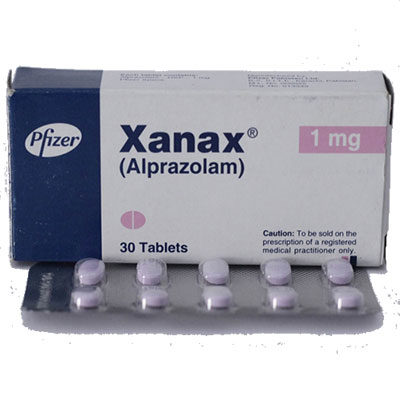
Xanax is the brand name for alprazolam, a prescription medication used to treat anxiety and panic disorders. It belongs to a class of drugs called benzodiazepines, which work by calming the brain and nervous system. Xanax helps reduce feelings of anxiety, tension, and panic by enhancing the effects of a natural chemical in the brain called GABA (gamma-aminobutyric acid).
Because of its calming effect, Xanax is often prescribed for short-term relief of anxiety symptoms. However, it should only be used under the supervision of a healthcare professional due to its potential for dependence and side effects.
Precautions When Using Xanax
Before taking Xanax, it is important to be aware of the following precautions to ensure safe and effective use:
-
Consult Your Doctor: Always inform your healthcare provider about your complete medical history, including any history of substance abuse, mental health disorders, liver or kidney problems, or breathing difficulties.
-
Avoid Alcohol and Other Sedatives: Combining Xanax with alcohol or other central nervous system depressants can cause severe drowsiness, dizziness, respiratory problems, or even be life-threatening.
-
Pregnancy and Breastfeeding: Xanax is not recommended during pregnancy or while breastfeeding, as it may harm the baby.
-
Do Not Drive or Operate Machinery: Xanax can cause drowsiness and impair your ability to perform tasks requiring alertness.
-
Risk of Dependence: Prolonged or misuse of Xanax can lead to physical or psychological dependence. Do not increase your dose or take it more frequently than prescribed.
-
Withdrawal: Do not stop taking Xanax abruptly without consulting your doctor, as sudden discontinuation can lead to withdrawal symptoms, including seizures.
-
Medication Interactions: Inform your doctor of all medications and supplements you are taking to avoid potentially dangerous interactions.
Xanax Dosage
The dosage of Xanax (alprazolam) varies depending on the condition being treated, the patient’s age, medical history, and response to the medication. It is crucial to follow your healthcare provider’s instructions precisely.
Typical Dosage Guidelines:
-
For Anxiety Disorders:
Starting doses often range from 0.25 mg to 0.5 mg, taken three times daily. Your doctor may gradually increase the dose based on your response. -
For Panic Disorders:
Initial doses usually start at 0.5 mg three times daily, with careful monitoring. Dosages can be increased if necessary but typically do not exceed 4 mg per day. -
Extended-Release Form:
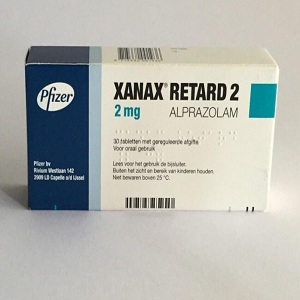
For some patients, extended-release Xanax (Xanax XR) may be prescribed, usually taken once daily.
Important Notes:
-
Do not exceed the prescribed dose or take Xanax more frequently than directed.
-
Do not stop taking Xanax suddenly; consult your doctor for a tapering plan if discontinuation is needed.
-
Dosage adjustments may be necessary for elderly patients or those with liver impairment.
-
Avoid self-medicating or changing your dose without medical advice.
Where Can I Buy Xanax?
Xanax is a prescription medication that must be purchased through legitimate and licensed pharmacies. To buy Xanax safely and legally:
-
Consult Your Healthcare Provider: A valid prescription from a licensed medical professional is required before purchasing Xanax. Never use Xanax without proper medical supervision.
-
Licensed Pharmacies: Purchase Xanax only from reputable and licensed pharmacies, whether in-store or online. This ensures you receive genuine medication that meets safety standards.
-
Online Pharmacies: If you prefer the convenience of online shopping, choose trusted online pharmacies like MedsRxCart.com that require prescriptions and adhere to strict quality controls.
-
Avoid Unauthorized Sellers: Do not buy Xanax from unverified sources, street dealers, or unregulated websites. These sources may provide counterfeit or unsafe medications, posing serious health risks.