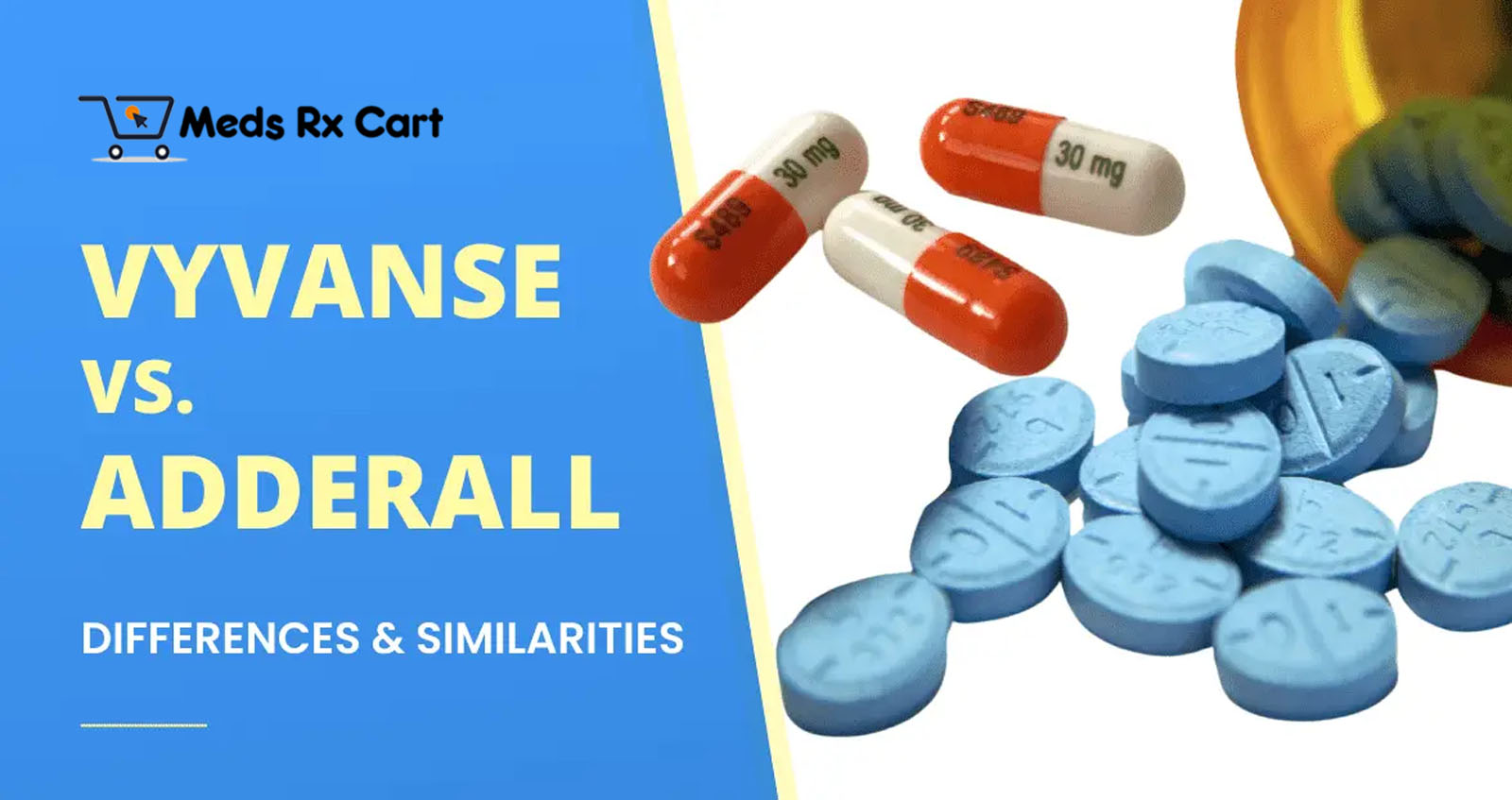
Adderall vs. Vyvanse: What’s the Difference for ADHD?
Attention Deficit Hyperactivity Disorder (ADHD) affects millions of people worldwide, impacting their ability to focus, control impulses, and regulate activity levels. Medication plays a central role in managing symptoms for many individuals, and two of the most commonly prescribed stimulant medications are Adderall and Vyvanse. Both drugs are effective in improving attention and reducing hyperactivity, but they differ in several important ways.
If you or a loved one is considering ADHD medication, understanding the nuances between Adderall and Vyvanse can help you make a more informed decision in consultation with your healthcare provider. In this article, we’ll explore the differences between these two medications, how they work, their benefits and drawbacks, and frequently asked questions.
What is ADHD Medication?
ADHD medications are primarily stimulants that work by increasing the levels of certain neurotransmitters in the brain—dopamine and norepinephrine—to improve attention, impulse control, and hyperactivity. Stimulants are considered first-line treatments for ADHD due to their effectiveness.
Adderall and Vyvanse belong to this stimulant class but vary in formulation, onset, duration, and potential side effects.
What Is Adderall?
- Adderall is a combination medication made up of two active ingredients: amphetamine and dextroamphetamine. It’s available in two main forms:
- Immediate-release (IR): Usually taken two to three times a day, with effects lasting about 4 to 6 hours.
- Extended-release (XR): Taken once daily, providing symptom relief for about 10 to 12 hours.
- Adderall works by increasing the concentration of dopamine and norepinephrine in the brain, neurotransmitters responsible for attention, motivation, and executive functioning.
What Is Vyvanse?
Vyvanse contains lisdexamfetamine, a prodrug that is inactive until it is metabolized in the body and converted into dextroamphetamine, the same active ingredient found in Adderall. This metabolic conversion leads to a slower onset and longer-lasting effect.
Vyvanse is only available as a once-daily extended-release capsule and is FDA-approved for ADHD treatment in children aged 6 and older and adults.
Key Differences Between Adderall and Vyvanse
1. Chemical Composition and Mechanism
- Adderall: Contains mixed amphetamine salts—both amphetamine and dextroamphetamine—which act immediately once absorbed.
- Vyvanse: Contains lisdexamfetamine, a prodrug. It must be converted in the bloodstream to dextroamphetamine, leading to a delayed but steady effect.
2. Onset of Action
- Adderall: Immediate-release forms typically begin working within 20-30 minutes after ingestion.
- Vyvanse: Takes longer to start working, usually 1 to 2 hours after intake, because the body needs time to convert lisdexamfetamine to active dextroamphetamine.
3. Duration of Effects
- Adderall: Immediate-release lasts about 4 to 6 hours, while extended-release formulations can last between 10 and 12 hours.
- Vyvanse: Has a longer duration, generally lasting 12 to 14 hours, offering all-day symptom management.
4. Abuse Potential
- Because of its immediate onset, Adderall has a higher potential for misuse and addiction. Its effects can be felt quickly, which sometimes leads to non-medical use or “recreational” use. It’s available in both IR and XR, which can be manipulated for faster effects.
- Vyvanse’s prodrug nature means it requires conversion in the body, reducing the risk of abuse since it cannot be crushed, snorted, or injected to produce a rapid “high.” This makes it a safer choice for patients at risk for substance misuse.
5. Flexibility in Dosing
- Adderall: Offers more dosing flexibility with both IR and XR forms, allowing doses to be split across the day or tailored to specific needs.
- Vyvanse: Only available in an extended-release formulation taken once daily, which might be less flexible but more convenient for those who want one-dose-a-day simplicity.
6. Side Effects
Common Side Effects (Both Vyvanse & Adderall):
-
Decreased appetite
-
Insomnia or trouble sleeping
-
Dry mouth
-
Increased heart rate and blood pressure
-
Anxiety or jitteriness
Vyvanse-Specific Notes:
-
Often provides a smoother and more consistent effect throughout the day
-
May cause fewer mood swings or irritability due to steady release
Adderall-Specific Notes:
-
Effects, especially from IR (Immediate Release) forms, can feel more “spiky”
-
May lead to rebound symptoms (e.g., fatigue, irritability) as the medication wears off
Pros and Cons Summary:
| Feature | Adderall | Vyvanse |
|---|---|---|
| Formulation | Mixed amphetamine salts (IR and XR available) | Lisdexamfetamine (prodrug, XR only) |
| Onset of Action | 20–30 minutes (IR) | 1–2 hours |
| Duration | 4–6 hrs (IR), 10–12 hrs (XR) | 12–14 hours |
| Abuse Potential | Higher | Lower (due to prodrug nature) |
| Dosing Flexibility | More flexible (multiple forms and times possible) | Once daily only |
| Side Effects | May cause more highs/lows and rebound symptoms | Smoother effect, fewer mood swings |
| FDA Approved For | Children 3+, adults | Children 6+, adults |
Who Should Consider Adderall?
-
Those needing flexible dosing (e.g., morning and afternoon).
-
Individuals who respond well to amphetamine salts.
-
People who need immediate symptom relief (faster onset).
-
Students or professionals seeking short bursts of focus.
Who Should Consider Vyvanse?
-
Individuals wanting smooth, all-day symptom control.
-
Those concerned about abuse potential or with past substance misuse.
-
People who prefer a convenient once-daily medication.
-
Patients who had side effects or poor response to Adderall.
FAQs About Adderall vs. Vyvanse
Q1: Can I switch from Adderall to Vyvanse or vice versa?
A: Yes, switching is possible, but it should only be done under medical supervision. Your doctor will help determine the correct starting dose and monitor for side effects or symptom changes during the transition.
Q2: Are there any drug interactions I should be aware of?
A: Yes. Both Adderall and Vyvanse can interact with:
-
Other stimulants
-
Certain antidepressants (e.g., MAOIs, SSRIs)
-
Blood pressure medications
-
Some supplements and over-the-counter drugs
Always inform your doctor about all medications and supplements you are taking.
Q3: Can these medications cause heart problems?
A: Stimulant medications can raise heart rate and blood pressure. People with a history of heart conditions should undergo careful evaluation before starting treatment.
Q4: What should I do if I experience side effects?
A: Report any side effects to your healthcare provider. They may:
-
Adjust your dose
-
Switch you to a different medication
-
Suggest behavioral strategies or lifestyle changes to help manage symptoms
Q5: Are non-stimulant options available for ADHD?
A: Yes. Non-stimulant medications include:
-
Strattera (atomoxetine)
-
Intuniv (guanfacine)
These may be appropriate for individuals who do not tolerate stimulants well or have specific medical concerns.
Final Thoughts
Both Adderall and Vyvanse have proven to be effective treatments for ADHD, but the right choice depends on individual needs, medical history, lifestyle, and personal preferences. Adderall offers more flexibility and a quicker onset but comes with a higher potential for abuse and a somewhat shorter duration. Vyvanse provides a smoother, longer-lasting effect with a lower abuse risk but less dosing flexibility.
Always consult with a qualified healthcare provider to tailor your treatment plan and find the medication that best supports your ADHD management goals.